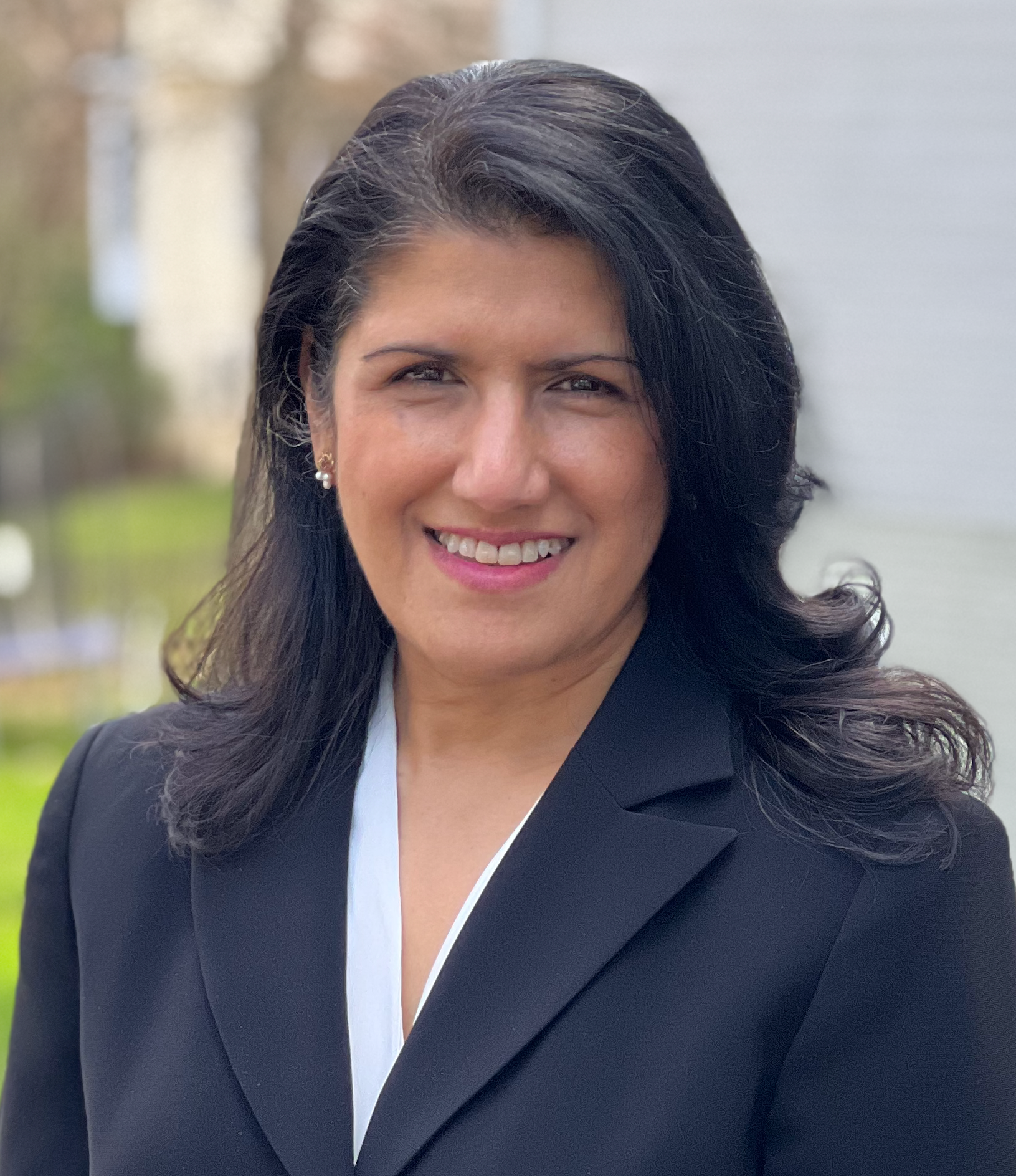
About
Binita S. Ashar, MD, MBA, FACS, MAMSE, is one of the few people who has held national regulatory authority over surgical technology and now advises companies developing advanced surgical technologies at pivotal regulatory and evidence decision points.
For nearly 25 years at the FDA — most recently as Office Director for surgical, reconstructive, plastic surgery, and infection control devices — she was responsible for how the United States evaluates the safety and evidence of the technologies that define modern surgery. She presided over advisory committee deliberations for more than a decade, directed cross-agency response during the COVID-19 public health emergency, and served as a national spokesperson on device safety.
She is a board-certified general surgeon. She now brings that judgment to companies at pivotal regulatory moments, and to the public conversation on how advanced surgery should be governed. Decisions at these moments can determine not only regulatory outcomes, but also clinical adoption, labeling and long-term risk.
Background
At the FDA, Dr. Ashar led regulatory policy and review for surgical, reconstructive, aesthetic, and infection control technologies, including robotic surgery, breast implants, surgical staplers, dermal fillers, wound care, hemostasis products, and AI-assisted systems.
Her work helped shape national regulatory decisions, advisory committee deliberations, postmarket safety evaluations, and policy during periods of significant clinical, public health, and reputational consequence.
During the COVID-19 public health emergency, she directed cross-agency efforts to maintain access to infection control technologies and essential surgical supplies.
From 2005 to 2006, she served as Special Advisor for Medicine and Public Health in the Office of Homeland Security Affairs, Office of the Vice President.
Selected Work and Contributions
Presided over General and Plastic Surgery Devices Advisory Committee deliberations for more than a decade, including issues involving robotic surgery, breast implant safety, surgical staplers, dermal fillers, and AI-enabled technologies.
Led FDA oversight of surgical, reconstructive, aesthetic, and infection control device categories during periods of rapid technological change and heightened public scrutiny.
Helped shape evidentiary and safety expectations during a period of significant growth in U.S. soft tissue robotics.
Directed cross-agency regulatory response during the COVID-19 public health emergency to help maintain access to infection control technologies and essential surgical supplies.
Served as a national FDA spokesperson on device safety issues involving breast implants and other emerging surgical technologies.
Selected Publications and Media
JAMA Surgery - A Competency-Based Privileging Model for Robotic Platforms (2026)
Journal of Robotic Surgery - National telerobotic surgery framework
Johns Hopkins Public Health On Call - Advancing Robotic Telesurgery
FDA - Statements on breast implant safety and lymphomas
Professional Leadership
She serves on the boards of the Society of Robotic Surgery and the Institute for Surgical Excellence. She is a member of the American College of Surgeons Academy of Master Surgeon Educators.